Programs  ›  Environmental Sustainability

Child Risk and Impact Analysis (CRIA) UNICEF

The Child Risk and Impact Analysis (CRIA) was a UNICEF Cameroon initiative designed to strengthen child-centered and risk-informed programming by examining the multiple and interconnected risks affecting children across the country. The assessment sought to better understand how factors such as climate change, environmental degradation, poverty, social exclusion, and other vulnerabilities impact children's well-being and development.
Child Risk and Impact Analysis (CRIA) UNICEF

Share

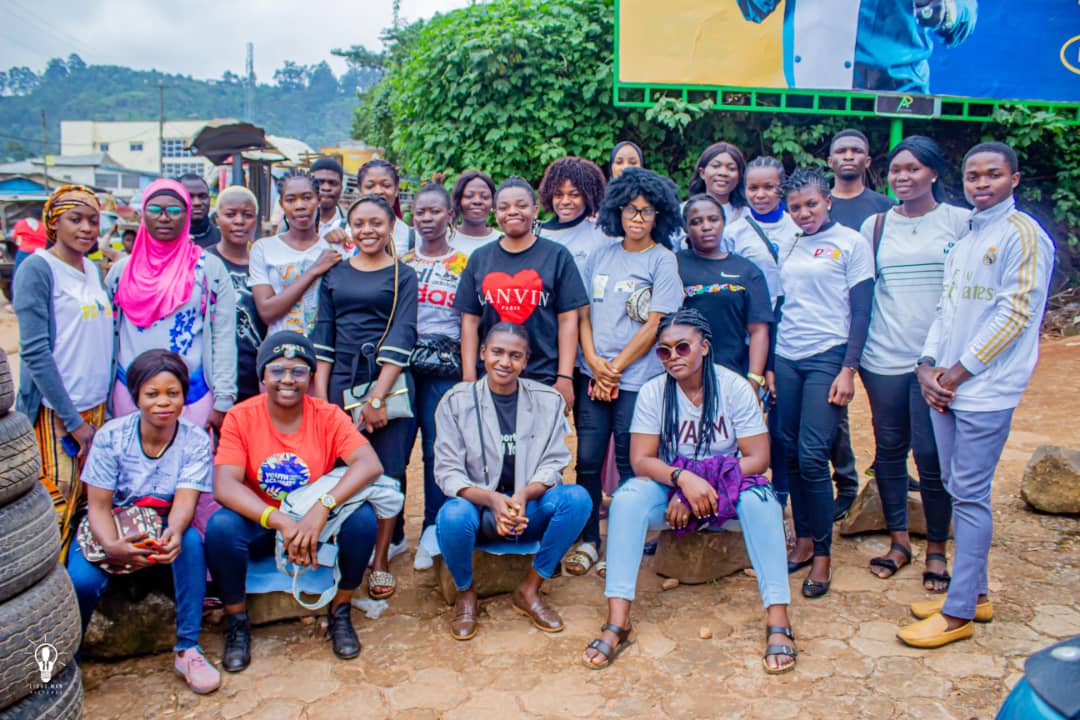
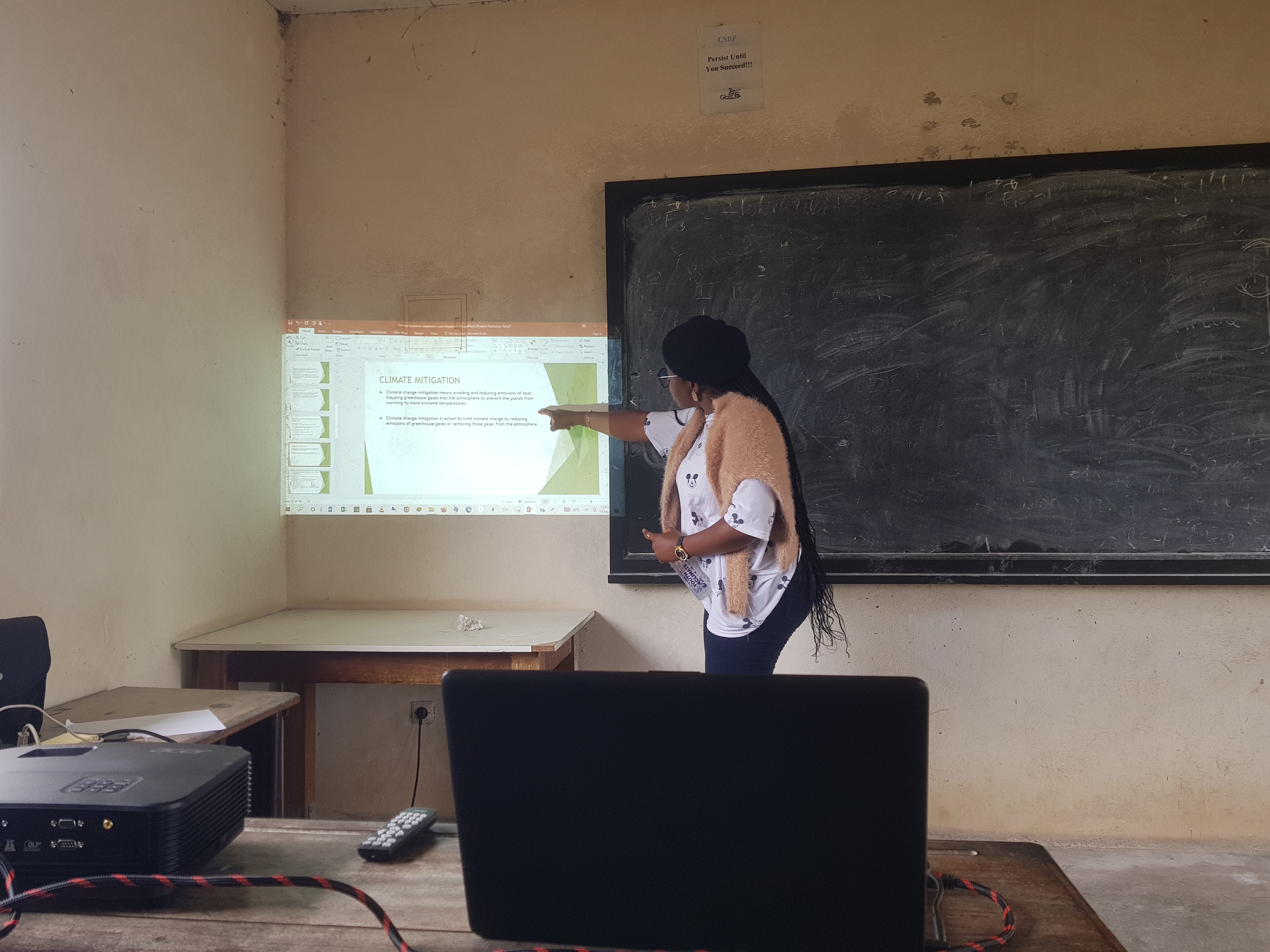
As part of the CRIA process, C4GSS conducted focus group discussions with children and adolescents aged 12–17 years in the Bamenda II and Bamenda III municipalities. The consultations provided a platform for young people to share their experiences, concerns, and recommendations on climate change, environmental challenges, social issues, and community resilience. Particular attention was given to ensuring inclusivity, including the participation of young people from the Mbororo community and other underrepresented groups.

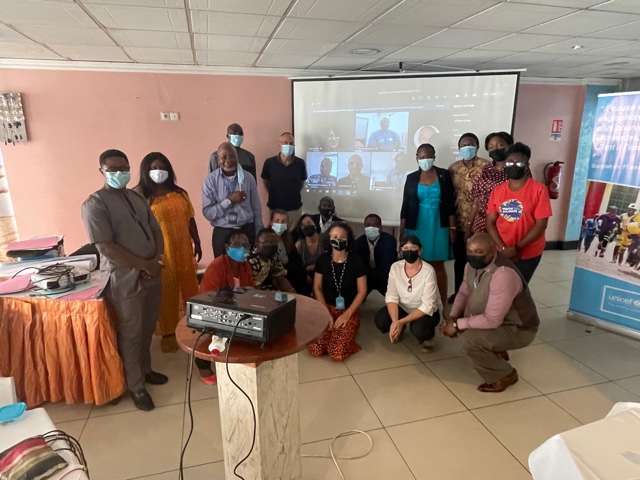
The discussions generated valuable insights into the realities facing children and youth in the North-West Region and highlighted the ways in which environmental and social challenges affect their lives, opportunities, and future prospects. The findings were subsequently presented during UNICEF technical working group sessions and contributed to the evidence base used in developing the Child Risk and Impact Analysis framework.

By ensuring that children's voices were incorporated into the assessment process, the initiative helped strengthen evidence-based approaches to child protection, resilience building, and development planning. It also demonstrated the importance of meaningful youth participation in shaping policies and programs that affect children and young people.

Status: Completed

Related Programs

 All Programs
Link copied!